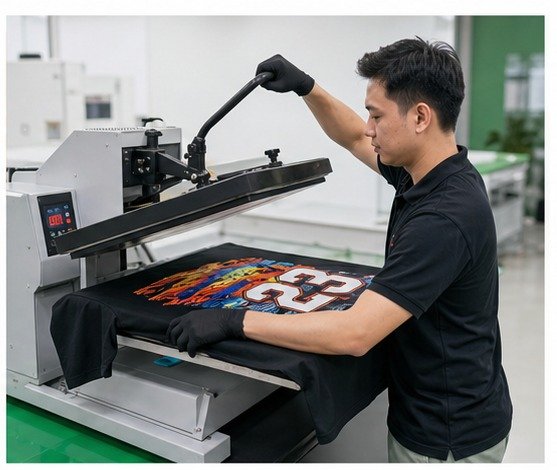
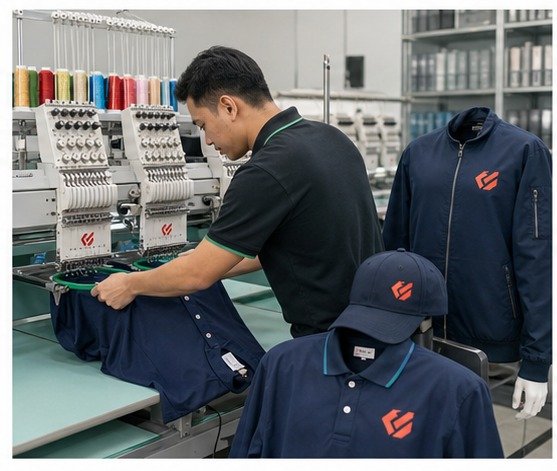
How to choose polyester microfiber fabric for custom sublimation jerseys, teamwear and event shirts in Malaysia.
4 min readSublimation buyer guide
Quick answer
Sublimation works best on polyester-rich fabric because the colour bonds into the fibre. The best microfiber is not simply the heaviest or lightest option; it depends on activity, comfort preference, design and budget.
Why microfiber is used for sublimation
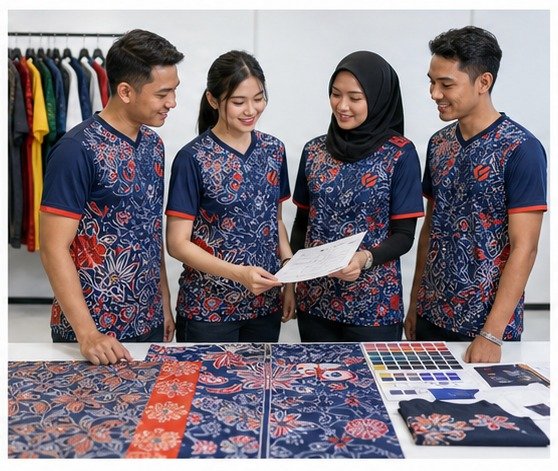
Polyester microfiber accepts vibrant, full-colour sublimation prints while keeping the design breathable with no raised print layer. It is commonly used for sports jerseys, active teamwear, events and club apparel. Explore our sublimation printing service for garment options.
GSM: weight, drape and feel
Lower-GSM fabrics generally feel lighter and can suit active use or hot conditions. Higher-GSM fabric can feel more structured and substantial. Ask about the intended use, whether the wearer will be active and the desired feel before selecting a material.
Common microfiber textures
Pindot, eyelet, interlock, diamond, square, Lacoste-style and stretch fabrics all feel and look different. Eyelet-style textures can be popular for breathable sportswear, while smoother interlock options can provide a cleaner teamwear surface. Availability can vary by garment option.
Match fabric to the order
For sports jerseys with names and numbers, choose a performance-oriented polyester suitable for the activity. For a corporate event shirt, comfort and a neat visual finish may matter more. Compare other methods in our sublimation, DTF, silkscreen and embroidery guide.
Can sublimation be printed on cotton?
Standard dye-sublimation is designed for polyester-rich garments. Send the garment type and artwork so we can recommend the suitable print method.
Which microfiber fabric is best for sports jerseys?
The right choice depends on the sport, desired breathability, budget and available garment options. Share these details and we can advise.
Does a heavier GSM always mean better fabric?
No. GSM affects weight and feel, but the best fabric depends on the wearer, purpose and preferred comfort level.
Choosing fabric for sublimated teamwear?
Send your activity, quantity, design and comfort preference for a suitable recommendation.
How corporate teams, event crews and outdoor staff can choose branded jackets: style, logo method, sizing and a complete uniform set.
4 min readOuterwear buyer guide
Quick answer
Select the jacket around the team role, where it will be worn and desired look. Then confirm the branding method and size breakdown before production.
Choose a jacket by role and use
Lightweight styles, fleece options and bomber-style jackets each create a different uniform look. Consider whether the garment is for office travel, event crew identification, outdoor work or a more polished corporate set.
Choose the right logo method
Embroidery is often chosen for a durable, premium jacket logo. DTF printing may suit certain artwork and placements. The suitable method depends on garment material, logo detail and location.
Plan sizing over the base layer
Ask whether the jacket will usually be worn over a polo or T-shirt, then collect the complete team size breakdown. A slightly more relaxed fit may be preferred for layering.
Build a complete uniform set
Jackets can work alongside custom polos and staff T-shirts for a coordinated look. See our custom printing services for the wider uniform range.
Which jacket style suits a company uniform in Malaysia?
The suitable style depends on the role, desired appearance and intended use. Share the event or work setting so we can advise on available options.
Should a jacket logo be embroidered or DTF printed?
Embroidery is popular for a durable premium finish. DTF can suit some detailed designs and placements. We can recommend the right method after reviewing the garment and artwork.
How should a team plan jacket sizing?
Collect the size breakdown after confirming the jacket model and consider whether it will be worn over another garment.
Planning jacket uniforms for your team?
Send your quantity, logo, preferred style and deadline for a suitable recommendation.
How to plan branded caps for company events, roadshows, outdoor teams and coordinated staff uniforms in Malaysia.
5 min readEvent merchandise guideCompany event planning
Quick answer
Choose a cap around the event, work environment and branding goal. The front panel is normally the primary logo location; cap availability, colours and suitable branding methods should be confirmed before a quotation is finalised.
Choose a cap for the activity
Start with how the cap will be used. A roadshow team, outdoor event crew and casual company gathering can need different looks and levels of comfort. Panel caps, mesh-backed styles and performance-oriented options can suit different uses. Stock, colours and construction vary, so share the event purpose, preferred colour and quantity before selecting a style.
Cap-style decision guide
Event need
Planning focus
Outdoor event or roadshow
Prioritise comfort, colour visibility and a practical style for the setting.
Company staff uniform
Match the cap colour and logo finish to the polo, T-shirt or jacket.
Campaign or promotional giveaway
Keep the front artwork clear and make quantity, deadline and delivery location part of the first brief.
Premium corporate gift
Consider a clean front logo and a cap construction that fits the intended presentation.
Logo placement and artwork
The front panel is usually the primary logo location because it gives the clearest visibility. Side or back positions can carry a small secondary mark when needed. Embroidery is commonly used for cap logos; final suitability depends on the cap material, panel construction, artwork and placement. Keep fine details and very small text in mind when deciding the logo size.
Build a coordinated event set
Caps can work alongside custom polos, event T-shirts or jackets for a more consistent team look. A matching colour direction and one clear primary logo usually reads better than unrelated designs across each garment. For local event and staff apparel, see our custom T-shirt printing in Petaling Jaya and Kuala Lumpur. Explore our custom printing services when planning the full set.
What to send for a cap quotation
Include cap style or colour preference, estimated quantity, logo file, logo placement, event date and delivery location. If caps will be combined with shirts, also state the shirt style and branding positions. A complete brief helps us confirm a suitable available option and recommend an appropriate logo method for the actual cap.
Which cap is suitable for an outdoor company event?
The best option depends on the setting, desired look and availability. Share the event use, expected conditions and quantity so we can advise on suitable styles.
Is embroidery suitable for a company logo on caps?
Embroidery is commonly used for cap logos. Final suitability depends on the artwork, cap material, panel construction and placement.
Can a cap have a logo on the front and side?
Yes, when the cap and artwork are suitable. Specify both intended positions with the logo files so the layout can be reviewed together.
What should I send for a custom-cap quotation?
Send the cap preference, quantity, logo, placement, deadline and delivery location. Include related event apparel if you want a coordinated recommendation.
Planning branded caps for an event?
Send your logo, quantity and event date for a suitable recommendation.
How to choose branded polo shirts for retail, sales, hospitality and service teams: fabric, logo method, fit and order planning.
3 min readUniform buyer guide
Quick answer
A custom polo is a practical middle ground between formal officewear and a casual T-shirt. It gives customer-facing teams a consistent, professional look while remaining comfortable for daily use.
Why polos work for front-line teams
Polos suit retail staff, sales representatives, event crews, reception teams and service businesses. A collar makes the uniform look more structured, while the fabric and fit can be chosen for active work and Malaysia’s climate.
Choose the right logo method
Embroidery gives a premium, durable finish for a small chest logo on corporate polos. DTF printing suits colourful or detailed artwork and smaller runs. For more uniform options, explore custom polo shirt printing.
Fabric and fit considerations
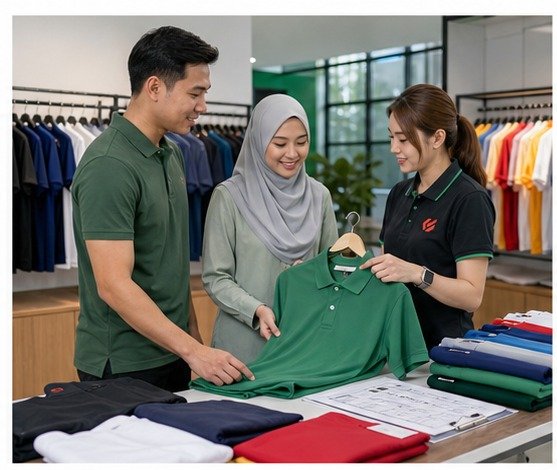
Choose fabric according to comfort, work environment and budget. Cotton-rich options feel familiar; microfiber and performance fabrics can suit active teams. Confirm the polo model, available colours and a full size breakdown before production.
Order planning checklist
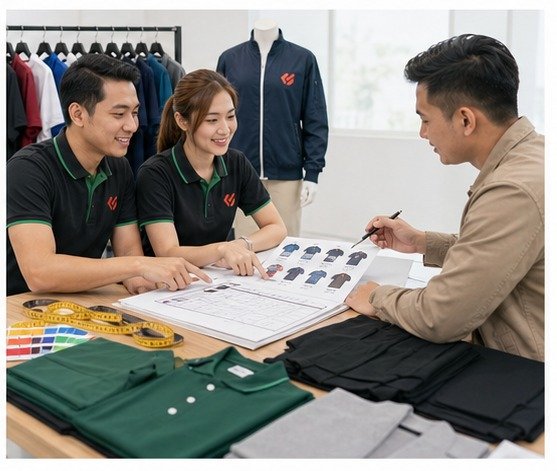
Prepare the number of staff, sizes, preferred polo colour, logo file, logo position, quantity, deadline and delivery location. For a wider uniform decision, compare a polo shirt with a roundneck company T-shirt before ordering.
What logo placement looks best on a polo shirt?
A small left-chest logo is a popular professional option. Sleeve, back and larger chest positions can work when the artwork and purpose call for more visibility.
Can I mix different polo sizes in one order?
Yes. Send your required size breakdown with the total quantity so we can quote and plan the order accurately.
Should I choose embroidery or printing for polos?
Embroidery is often preferred for a premium uniform logo. DTF can be better for detailed full-colour artwork. Send the artwork and intended garment so we can recommend the suitable method.
Need polos for your team?
Send your logo, quantity, sizes and deadline for a suitable recommendation and quotation.
A practical way for HR teams, schools and event organisers to collect more accurate T-shirt sizes before a bulk custom-shirt order.
3 min readBulk-order buyer guide
Quick answer
Use the garment measurements supplied for the specific shirt model rather than assuming all S, M, L or XL labels fit the same. Collect the size breakdown before final quotation and keep it for reorders.
Use garment measurements, not only letter sizes
Compare chest width and body length measurements with a garment the wearer already owns and likes. Size labels can vary between shirt models, so the measurement chart for the selected product is the most useful reference.
Allow for normal measurement tolerance
Apparel measurements can vary slightly during production. Use the stated chart as a practical guide, and avoid treating a small difference as a defect where normal tolerance applies.
Collect the full size breakdown early
For company, school and event orders, ask every participant to confirm a size before the order is finalised. This reduces last-minute changes and helps keep the quotation accurate. Pair this with our company uniform order checklist for team purchases.
Keep a record for repeat orders
Save the final size breakdown, shirt model, colour and artwork after ordering. Future staff additions and repeat club orders become much easier when this record is available.
Choose the shirt before collecting sizes
Confirm whether the group needs roundneck shirts, custom polos, active teamwear or another style first. Fabric and cut can change the size chart. For full-colour jerseys, explore sublimation printing.
Should I size up for a bulk T-shirt order?
Use the specific garment measurement chart and the wearer’s preferred fit. When unsure, comparing with an existing shirt is more reliable than relying on the letter size alone.
Can we mix sizes in one order?
Yes. Send the total quantity together with the number required in each size.
When should we collect sizes?
Collect sizes before final quotation and artwork approval whenever possible, especially for company, school and event orders.
Planning a bulk shirt order?
Send the product type, quantity, size breakdown, logo and deadline for a suitable recommendation.
Silkscreen Printing for Event Shirts and Campaign Tees
A practical guide to silkscreen printing for bulk event T-shirts, school campaigns, clubs and company promotions in Malaysia.
4 min readBulk-order buyer guideMOQ 30 pcs
Quick answer
Silkscreen is usually the best-value option for 30 or more T-shirts when the artwork uses simple, solid colours and repeats across the order.
When silkscreen printing is the right choice
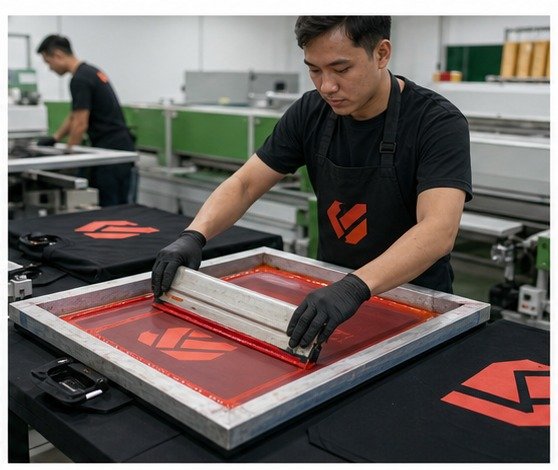
Choose silkscreen for event shirts, school activities, campaigns, staff T-shirts and promotional giveaways where one design is repeated at scale. It produces durable, bold colour and becomes more cost-effective on larger quantities.
Best artwork for silkscreen
Simple logos, bold text and solid colours work best. Each print colour needs its own preparation, so reducing colour count can keep a bulk order practical. For detailed colour artwork, small quantities or individual names, compare DTF printing instead.
How to plan a smooth bulk order
Send your quantity, shirt type and colour, logo or artwork, print positions, size breakdown, delivery location and event deadline together. Confirming these details early helps schedule production and quote accurately.
What is the minimum order for silkscreen printing?
Our normal minimum order is 30 pieces. It is most suitable when the same design is repeated across a bulk order.
Is silkscreen printing durable?
It is a durable option for correctly prepared artwork and garments. We will advise on the suitable print method based on fabric, artwork and intended use.
Can I get a quote before finalising artwork?
Yes. Send the best available logo or draft together with quantity, shirt type, print placement and deadline. We can advise before quotation.
Planning event or campaign T-shirts?
Send the quantity, artwork and deadline for a suitable method recommendation and quote.
DTF Printing for Names, Numbers and Colourful Shirt Artwork
Why DTF printing is useful for personalised shirts, names, numbers, gradients and smaller custom batches.
4 min readBuyer guide
Quick buyer note
This guide helps you prepare a clearer enquiry, compare options faster and avoid choosing the wrong shirt or printing method.
Flexible artwork
DTF can handle colourful artwork, gradients and detailed graphics better than many traditional logo methods.
Names and numbers
It is practical when each shirt needs a different name, number or small personalised detail.
Product fit
DTF is often used on T-shirts, polos and jackets, depending on fabric and print position.
When to ask first
If the artwork is very large, very detailed or placed across seams, send it for checking before production.
When DTF is the right choice
Choose DTF when you need full-colour logos, gradients, individual names or short runs. For large repeated simple-colour designs, compare silkscreen printing; for a stitched corporate finish, see custom embroidery.
Company Logo Placement on Polo Shirts: What Looks Best?
A practical guide to choosing logo placement for custom corporate polo shirts: left chest, sleeves, back prints and a branding method that suits your artwork.
5 min readCorporate uniform guidePetaling Jaya, Malaysia
Quick answer
A small left-chest logo is the standard choice for company polos because it is professional, readable and adaptable across office, retail and event uniforms. Add a sleeve or back position only when your team needs extra visibility or a clear role label.
Start with the purpose of the polo
Logo placement should support how the shirt will be used. A daily office or sales uniform usually needs a neat, subtle identity. Event crews, promoters and operational teams may need to be recognised from a distance. Decide who needs to see the branding, from where, and whether the garment needs one logo or a primary logo plus a secondary message. This keeps the final layout useful instead of simply filling every available space. Planning a coordinated staff outfit? Explore our corporate uniform options before finalising garment and logo placement.
Left chest: the standard corporate placement
The left chest is widely used for company polos, staff uniforms and client-facing workwear. It suits a small logo or wordmark without making the garment look crowded, and it works well across men’s and women’s cuts. A clean logo with enough open space around it normally looks more polished than an oversized chest design. For a premium stitched finish, explore custom embroidery.
When to use a sleeve or back print
A sleeve is useful for a sponsor mark, department label, campaign line or secondary logo. Keep sleeve artwork simple because the printable or stitchable area is smaller and curves around the arm. Back branding can be effective for event crews, retail teams, operations staff and promotions where identification from a distance matters. It can carry a team name, role or a larger message. When using both chest and back placement, make the chest logo the primary identifier and avoid repeating the same large artwork unnecessarily.
Logo-placement decision guide
Placement
Best for
Practical note
Left chest
Company uniforms, sales teams, daily staffwear
Professional, flexible and usually the safest first choice.
Right chest
Secondary mark, staff name or paired branding
Use when the left chest has the main logo or when a balanced two-mark layout is required.
Sleeve
Sponsors, campaign marks, department identity
Keep details simple and readable at a smaller scale.
Back
Events, operations, promotional or front-line teams
Useful when the wearer must be identified from behind or at a distance.
Choose embroidery or print for the logo
Embroidery suits a premium, durable chest logo on polos and is commonly chosen for corporate uniforms. DTF printing can suit detailed, multicolour artwork and gradients on compatible garments. Silkscreen can be a practical option for simple-colour designs at larger quantities. The right method depends on logo detail, logo size, polo fabric and quantity—so it is better to confirm those together before production. View custom polo shirt printing options or compare a polo with a roundneck uniform before ordering.
What to send before requesting a quote
For accurate advice, send the logo file, estimated quantity, polo colour, preferred positions, size breakdown, delivery location and required date. If you are unsure of the position, explain how the team will use the uniform and we can recommend a practical layout. Embroidery and silkscreen orders generally start at 30 pieces; DTF has no minimum order. Production timing and garment availability should be confirmed for the exact order.
Where should a company logo go on a polo shirt?
Left chest is the most common corporate placement. Sleeve and back placements can be added when more visibility or additional branding is needed.
Can I place a logo on both the chest and sleeve?
Yes. Send the logo files and intended positions so we can advise on size, method and garment suitability.
Should a polo-shirt logo be embroidered or printed?
Embroidery is popular for premium uniform logos. DTF can suit detailed full-colour designs. The suitable method depends on logo detail, fabric, logo size and quantity.
What is the best logo size for a polo shirt?
The suitable size depends on the artwork and placement. A chest logo is normally kept compact for a balanced corporate look; send the artwork and preferred position for order-specific advice.
Planning branded polo uniforms?
Send your logo, quantity, preferred positions and deadline for a suitable recommendation.