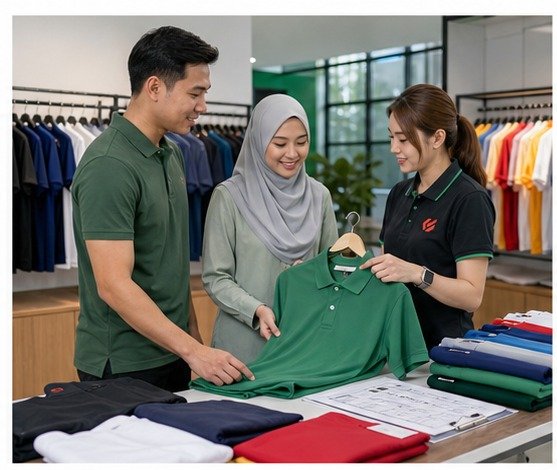
Author: Printwear Malaysia

  • Embroidery for Corporate Uniforms in Malaysia: A Practical Planning Guide

    Embroidery is a popular option for corporate uniforms, staff polos, jackets and caps because it gives a textured, professional finish. The best result depends on the logo, garment, placement and the intended use of the apparel.

    This guide explains how to prepare an embroidery order. For help with your project, visit our embroidery service in Malaysia.

    When embroidery is a good choice

    Embroidery is often considered for a compact company logo on uniforms or branded apparel. It can work well when the design is clear, the garment has a suitable area for stitching and the required look is professional rather than graphic-heavy.

    • Corporate polos and uniforms: a left-chest logo is a familiar placement for teams and customer-facing staff.
    • Jackets and outerwear: embroidery can suit sturdier garments with an appropriate stitch area.
    • Branded caps: a simplified logo can create a durable promotional item.
    • Recognition apparel: names, departments or compact marks can support a consistent team identity.

    Check whether the logo is embroidery-friendly

    Not every logo needs the same treatment. Very small lettering, fine lines, gradients and tiny details may need to be simplified so that the stitched result remains readable. Send the best available artwork file and state the intended logo size before approval.

    A good review will consider the source artwork, thread colours, stitch area and garment fabric. This is especially important for logos designed originally for digital use rather than fabric.

    Choose the right garment before approving placement

    Fabric weight, thickness and construction affect how embroidery sits on the garment. Polo shirts, woven uniforms, jackets and caps all provide different surfaces. Confirm the actual product and colour early, then assess the logo placement on that item. For mixed staff outfits, compare our corporate uniform range before confirming embroidery placement.

    For staff apparel, explore custom polo shirt options and decide whether a chest logo, sleeve mark or back branding best supports the team’s use case.

    Common logo placements for corporate uniforms

    • Left chest: a conventional option for a company logo on polos, shirts and jackets.
    • Sleeve: suitable for a compact secondary mark, department or campaign branding.
    • Cap front: appropriate for a simplified logo with enough clear area.
    • Back yoke: an option for selected workwear where visibility is important.

    Choose placement based on garment seams, pockets, zips and the logo’s proportions. A location that looks clear on a flat mock-up may need adjustment on the actual garment.

    Embroidery versus printed logos

    Embroidery and printing serve different purposes. For detailed, full-colour artwork or larger graphics, DTF printing may be worth considering. For repeated event designs across many shirts, silkscreen printing may also be appropriate. The right choice follows the artwork, garment and order brief.

    What to prepare for an embroidery quote

    • Logo file in the best available format
    • Garment product, colour and total quantity
    • Preferred logo location and approximate size
    • Required date and size breakdown
    • Any names, departments or different logo versions

    Supplying these details from the start helps the production team assess the artwork and recommend a suitable approach for your uniforms.

    Frequently asked questions

    Is embroidery suitable for polo shirts?

    Embroidery can be suitable for polo shirts, particularly for a compact company logo. The garment fabric, logo detail and placement should be checked before finalising the order.

    Can small text be embroidered clearly?

    Small text may need to be simplified or enlarged to stay legible. Send the original artwork for review before production.

    What information should I include in an enquiry?

    Include the logo, chosen garment, quantity, colours, logo location and required date. Start with our embroidery service page and share the full brief for guidance.
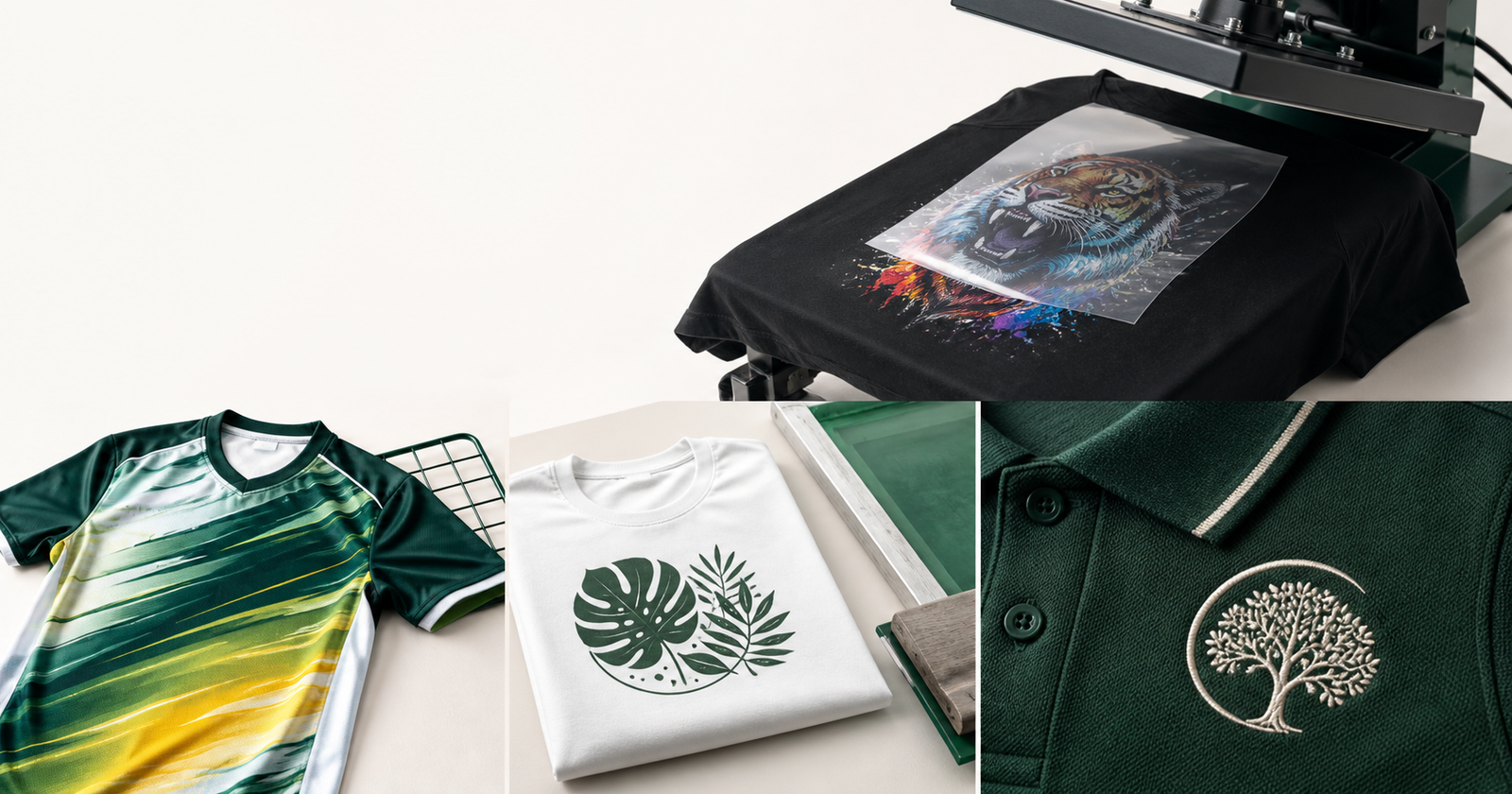
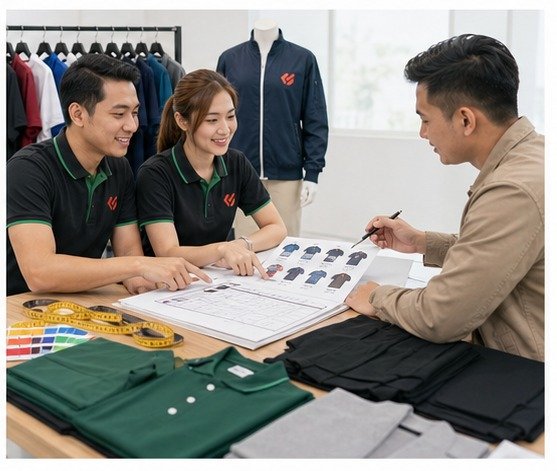
  • Silkscreen Printing Malaysia: When It Works Best for Company T-Shirt Orders

    Silkscreen printing remains a practical option for many company T-shirt, event and teamwear orders. The best choice depends on your artwork, garment, quantity and the finish you want—not simply on the printing method’s name.

    This guide helps Malaysian businesses plan a better bulk apparel order. For product guidance, see our silkscreen printing service in Malaysia.

    What is silkscreen printing?

    Silkscreen printing applies ink to a garment through prepared screens. It is commonly considered for designs with defined colours, such as a company logo, event artwork or a team graphic that is repeated across many shirts.

    The final result is influenced by artwork, ink colours, print locations and the selected fabric. Share these details before production so the method can be assessed properly.

    When silkscreen printing can be a good fit

    • Consistent bulk orders: a repeated design across a larger group of shirts can be easier to plan.
    • Clear graphic artwork: logos or designs with solid, well-defined colours may suit this method.
    • Events and campaigns: it is often considered for marathon shirts, school events, launches and teamwear.
    • Front-and-back branding: it can support planned placements when the artwork is prepared clearly.

    For artwork with many colours, detailed graphics or names that vary from shirt to shirt, DTF printing may also be worth discussing. For smaller logos on professional uniforms, embroidery offers a different look.

    Start with a clear artwork brief

    A production-ready brief should state the logo or artwork source file, the colours to reproduce, intended print positions, approximate print size, garment colour and quantity. For a left-chest logo, make sure fine text remains readable at the actual print size.

    For a back print, consider how far away it needs to be read. A design used for a staff event or outdoor activity may need a different scale from a small corporate logo.

    Choose the garment and fabric early

    Decide on the shirt type before approving the artwork. Cotton, cotton blends, dri-fit and performance fabrics can require different handling. The shirt colour also matters because it affects artwork visibility and any underbase requirements.

    When you need business-ready apparel, compare the garment choice with the intended use: daily staff wear, a one-day event, sports activity or promotional giveaway. You can explore custom T-shirt options before finalising the print plan.

    How to prepare a bulk company T-shirt order

    • Confirm the total quantity and size breakdown
    • Provide the best available logo or artwork file
    • Specify print locations: front, back, sleeve or chest
    • List the garment colour and product reference
    • State the event date or required delivery date
    • Flag whether there are multiple designs, names or departments

    Early details help avoid last-minute changes to artwork, garment selection or quantities. They also make it easier to determine whether silkscreen printing is the most suitable method for the order.

    Silkscreen printing for uniforms and events

    A consistent logo placement can create a coherent look for staff, volunteers and event participants. For corporate polos, a small chest mark may need to be assessed alongside custom polo shirt options and embroidery; for larger event graphics, a printed method may be more appropriate.

    Frequently asked questions

    Is silkscreen printing suitable for company T-shirts?

    It can be a suitable option for company T-shirts when the artwork, garment and quantity align with the production plan. Share the full brief so the method can be recommended accurately.

    Can silkscreen printing be used for multi-colour designs?

    It can be used for designs with multiple colours, but the artwork and production requirements should be reviewed first. For highly detailed or variable artwork, another method may be more suitable.

    What do I need to request a quote?

    Send the artwork, selected garment or product reference, colour, quantity, size breakdown, print locations and required date. Visit our silkscreen printing service page to start your enquiry.

  • DTF Printing Service Malaysia: When It Is the Right Choice for Custom Apparel

    DTF printing is a practical option for many custom-apparel orders, especially when artwork has colour, detail or small quantities that need flexibility. The right decision still depends on the garment fabric, design, print size and order requirements.

    This guide explains when to consider DTF printing and what to prepare before ordering. For project advice, see our DTF printing service in Malaysia.

    What is DTF printing used for?

    DTF, or direct-to-film printing, transfers a printed design onto a garment. It is commonly considered for full-colour logos, detailed graphics, names, numbers and mixed designs where a traditional single-colour print may be less suitable.

    Rather than choosing a method based only on a trend, match the method to the artwork and garment. A clear production brief helps confirm whether DTF is suitable.

    When DTF printing can be a good fit

    • Detailed artwork: logos with multiple colours, gradients or fine details may be suited to DTF.
    • Small or mixed runs: it can be useful when the order includes several designs, names or numbers.
    • Multi-colour designs: it avoids the need to simplify every colour into separate print screens.
    • Merchandise and event apparel: it can support bold graphics on suitable garments.

    DTF is not automatically the best solution for every order. For a simple, high-volume design, silkscreen printing may be worth considering. For compact company logos on polos or uniforms, embroidery can provide a different finish.

    Choose the garment before finalising the artwork

    The garment affects the final result. Share the shirt type, fabric and colour with your supplier before production. Cotton, blends and performance fabrics can behave differently, and print placement needs enough clear surface area.

    If you are ordering teamwear, uniforms or event shirts, check your selected product and size requirements early. This avoids a design being approved for a garment that is no longer available in the required quantity or colour.

    Artwork preparation checklist

    Good source artwork reduces delays and improves print clarity. Prepare:

    • The original logo or highest-resolution artwork available
    • Correct spelling for names, numbers and departments
    • Preferred print locations, such as left chest, sleeve or back
    • Approximate print size for each location
    • Garment colour and product reference

    For a chest logo, avoid making small text too tiny. For a back print, consider the viewing distance and whether the artwork needs to be read in photos or from across a venue.

    How quantity affects planning

    Quantity is one of the details that helps determine the most practical production method. Include your estimated quantity when requesting a quote, even if it is provisional. Also state whether every garment has the same design or whether personalisation is required.

    For time-sensitive events, supply artwork and sizes early. Production recommendations are more accurate when the garment, artwork, quantity and required date are considered together.

    DTF printing for company uniforms and polos

    For branded workwear, the decision should balance detail, durability expectations and the appearance you want. A detailed campaign graphic may suit a printed method, while a small chest logo on a corporate polo may be better assessed alongside embroidery. Explore custom polo shirt options if your order involves staff uniforms.

    Frequently asked questions

    Can DTF printing reproduce full-colour artwork?

    DTF can be considered for artwork with multiple colours and detail. The final recommendation should follow an artwork and garment review.

    Is DTF suitable for names and numbers?

    It can be useful for personalised elements such as names and numbers, particularly where designs vary across garments.

    What should I send for a DTF printing quote?

    Send the artwork, garment type or product reference, colour, quantity, print locations and required date. These details allow the supplier to recommend a suitable approach.

    Need help evaluating your design? Visit our DTF printing service page and send your artwork with the order brief.

    If your order is for a local team, event or business, see our custom T-shirt printing in Petaling Jaya and Kuala Lumpur for a practical quotation route.

  • Polo Shirt Printing Malaysia: How to Choose Fabric, Fit & Logo Placement

    Choosing polo shirts for a company uniform, event team or retail crew is about more than selecting a colour. Fabric, fit, logo size and decoration method all affect comfort, consistency and how professional the finished apparel looks.

    This guide helps Malaysian buyers plan a practical polo-shirt order. For current options, browse our custom polo shirts or request a quote with your quantity, artwork and required date.

    1. Start with the job the polo shirt needs to do

    Match the shirt to how it will be worn. Frontline teams and outdoor crews usually need breathable, easy-care fabric. Corporate teams may prefer a more structured finish. Event crews need a design that is easy to identify at a distance, while retail teams often benefit from a consistent colour and clear chest logo.

    • Daily uniforms: prioritise comfort, repeat ordering and easy maintenance.
    • Outdoor or active teams: consider lightweight, moisture-managing performance fabrics.
    • Corporate and hospitality teams: consider a cleaner collar structure and subtle branding.
    • Events and promotions: choose a high-visibility colour and logo placement that reads clearly in photos.

    2. Choose fabric before choosing the print method

    Fabric influences both comfort and decoration. Cotton-feel blends can suit a classic uniform look, while microfiber or performance fabrics are often chosen for heat, movement and quick drying. A supplier should see the intended shirt material before recommending a print or embroidery method.

    For example, embroidery can give a durable, premium finish for a small chest logo, while printed decoration can be more suitable for larger or more detailed artwork. A fabric sample or product reference makes this decision more reliable.

    3. Select the right fit for your team

    One size or cut rarely works perfectly for every wearer. Before confirming a bulk order, check the product size chart and consider whether the team needs unisex, ladies’ or a more relaxed fit. For larger teams, collecting sizes early helps prevent last-minute substitutions and improves the chance of a comfortable uniform.

    If the order is for recurring staff uniforms, keep a record of the approved product code, colour, logo artwork and placement. This makes later top-up orders much easier to match.

    4. Plan logo placement with viewing distance in mind

    The left chest remains the most common placement for company logos because it is visible without overwhelming the shirt. Sleeve branding works well for a website, campaign name or partner mark. A large back print can help event crews or field teams stand out.

    • Left chest: best for a small company logo or staff identity.
    • Sleeve: useful for a short URL, department or campaign mark.
    • Back: useful for larger logos, team names or event identification.

    Avoid shrinking complex artwork too far. Fine lines and tiny wording may not reproduce clearly at chest-logo size. Send the original logo file whenever possible so the artwork can be checked before production.

    5. Match the decoration method to the artwork

    There is no single best method for every polo shirt. The right choice depends on the fabric, artwork detail, print area, quantity and intended use.

    • Embroidery is often chosen for small logos and a textured, premium look.
    • DTF printing can suit detailed, full-colour artwork and smaller runs.
    • Silkscreen printing is commonly considered for simpler designs and larger quantities.

    Ask for a recommendation based on your actual artwork instead of selecting a method by name alone. This reduces the risk of choosing a finish that does not suit the logo or fabric.

    6. What to prepare before requesting a quote

    A clear enquiry helps you receive a more accurate recommendation. Include:

    • Estimated quantity and size breakdown
    • Preferred polo style, fabric or product reference
    • Shirt colour
    • Logo file and required print locations
    • Whether individual names or numbers are needed
    • Your delivery or event deadline

    For help choosing a suitable option, explore our polo-shirt range and contact Printwear with your brief. We can assess the fabric, artwork and order requirements before production.

    Frequently asked questions

    Is embroidery or printing better for polo shirts?

    It depends on the logo, fabric and desired finish. Embroidery is often selected for compact logos, while printed methods may be more suitable for detailed or larger artwork.

    Can different staff sizes be included in one bulk order?

    Yes. Prepare a size breakdown before confirming the order so the production quantity and product availability can be checked accurately.

    What logo file should I provide?

    Send the clearest original artwork you have. Vector artwork is ideal where available, but a high-resolution file can also help the artwork review process.

    For staff, event or corporate apparel in the area, see our custom T-shirt printing in Petaling Jaya and Kuala Lumpur and share your quantity, logo and required date.

  • What Affects Custom T-Shirt Printing Cost in Malaysia?

    Planning custom shirts for a company, event, school or team? The final cost depends on more than the shirt itself. Understanding the main variables before requesting a quote helps you compare options properly and choose a setup that fits your budget, artwork and deadline.

    What affects the cost of custom T-shirt printing?

    Most custom shirt quotations are shaped by seven practical decisions: quantity, garment type, fabric, printing method, artwork, print locations and delivery timing. A clear brief lets the supplier recommend the right combination instead of quoting a generic option that may not suit your order.

    1. Quantity and order structure

    Quantity is usually one of the biggest factors. Larger orders can make suitable bulk methods such as silkscreen printing more efficient, especially when the same artwork is repeated across the whole order. Smaller batches, mixed names or varied designs may be better suited to DTF printing.

    When requesting a quote, provide the approximate total quantity and, if possible, the size breakdown. This makes the recommendation more accurate from the start.

    2. Shirt type and fabric

    A basic cotton roundneck, a dry-fit microfiber tee, a textured polo and a jacket serve different purposes and have different base costs. Your intended use matters: event giveaways, outdoor teams, corporate uniforms, sportswear and retail staff apparel do not need the same material or construction.

    Use the product catalogue to compare garment types, colour choices and sizing before you decide. For material guidance, see our shirt fabric guide for Malaysia weather.

    3. Printing or embroidery method

    The best branding method depends on the artwork and the order. Silkscreen is often practical for repeated designs and larger quantities. DTF is useful for detailed, colourful artwork, names and short runs. Embroidery gives polos, jackets and uniforms a more premium stitched finish. Full-colour sublimation is designed for polyester apparel where the design covers more of the garment.

    If you are unsure, compare the methods in our T-shirt printing method guide.

    4. Artwork detail, colours and print size

    Artwork affects production setup. A simple one-colour chest logo is different from a large full-colour front print, sleeve detail and individual names. Send the clearest logo or artwork file you have, and mention the intended print position. This helps avoid assumptions about size, colours or finishing.

    Our custom shirt quote checklist explains what to send for a faster quotation.

    5. Number of print locations

    One left-chest logo is a different job from front, back and sleeve branding. List each location you need—for example, left chest logo, large back print, right-sleeve logo or individual name—so the quotation reflects the complete requirement.

    6. Personalisation and size range

    Individual names, jersey numbers, departments or different artwork versions can change the production approach. Wider size ranges can also influence garment availability, so include your expected size mix early.

    7. Deadline, stock and delivery

    Urgent orders may have fewer product or print-method options because stock availability and production slots matter. If you have a fixed event date, share it from the first message. Read our rush custom shirt order guide for practical preparation steps.

    How to compare T-shirt printing prices fairly

    Compare quotations using the same garment, quantity and artwork specification. A lower headline price is not a like-for-like saving if one quote covers a single chest logo while another includes front and back printing.

    • Garment: match the product, fabric, colour and size breakdown, and check whether the shirt itself is included.
    • Branding: specify the method, artwork dimensions, number of colours and every print or embroidery position.
    • Additional costs: ask whether artwork preparation, setup, individual names, delivery and any applicable taxes are included or quoted separately.
    • Total order cost: compare the final amount for the same number of finished shirts, not just the advertised starting price.

    How to reduce cost without losing the purpose of the shirt

    Prioritise the garment comfort and branding your team actually needs. Ask for two options using the same brief: your preferred specification and a simpler alternative, such as fewer print positions or one shared design instead of individual names. Confirm the effect on appearance and suitability before choosing. Order only the quantity you need; a lower unit price does not necessarily mean a lower total spend.

    How to get a useful custom shirt quote

    • Product or intended use
    • Estimated quantity and size breakdown
    • Preferred shirt colour
    • Artwork or logo file
    • Print or embroidery positions
    • Required delivery date

    With these details, Printwear Malaysia can recommend an appropriate product and branding method before quoting. Request a custom shirt quote on WhatsApp when you are ready.

    Prefer a structured enquiry? Prepare your custom T-shirt quote request with the garment, quantity, print details and required date.

  • Sublimation vs DTF vs Silkscreen vs Embroidery | Malaysia Guide

    Sublimation vs DTF vs Silkscreen vs Embroidery | Malaysia Guide

    Sublimation vs DTF printing Malaysia: choosing the right printing method affects how your apparel looks, feels, lasts and fits your budget. This guide compares sublimation printing, DTF printing, silkscreen printing and embroidery for Malaysian businesses, schools, events and sports teams.

    Quick answer: which method should you choose?

    • Sublimation printing: Best for full-colour polyester jerseys, teamwear and all-over designs. No MOQ.
    • DTF printing: Best for detailed, colourful logos and small orders on a wide range of garments. No MOQ.
    • Silkscreen printing: Best value for bulk T-shirts with simple solid-colour artwork. Minimum 30 pieces.
    • Embroidery: Best for premium, durable logo placement on polos, caps, jackets and corporate uniforms. Minimum 30 pieces.

    1. Sublimation printing

    Sublimation is a full-colour printing process where the design becomes part of polyester fabric. It is ideal for sports jerseys, event shirts, teamwear and designs that need vibrant colour from edge to edge.

    Choose sublimation when:

    • You need full-colour artwork, gradients, names or numbers.
    • You are printing polyester jerseys or performance apparel.
    • You need no minimum order quantity.
    • You want the print to remain breathable with no raised print texture.

    Typical production: 3–5 working days, depending on artwork approval, quantity and fabric availability.

    2. DTF printing

    DTF (direct-to-film) printing is a flexible option for detailed and colourful artwork. It works well for logos, names, small-batch merchandise and designs where you do not need a bulk minimum.

    Choose DTF when:

    • You need detailed, multi-colour artwork on cotton or mixed-fabric garments.
    • You have a small order, test batch or no MOQ requirement.
    • You need a fast turnaround; selected approved orders can be ready within 24 hours.

    Typical production: 1–3 working days.

    3. Silkscreen printing

    Silkscreen printing is the most cost-effective choice for bulk orders with simple, solid-colour artwork. It is durable and especially suitable for event shirts, school shirts, company T-shirts and promotional apparel.

    Choose silkscreen when:

    • You are ordering 30 pieces or more.
    • Your design uses simple solid colours.
    • You want strong value for a bulk T-shirt order.

    Typical production: 3–4 working days. MOQ: 30 pieces.

    4. Embroidery

    Embroidery gives logos a premium stitched finish. It is a popular choice for corporate uniforms, polo shirts, caps, jackets and workwear because it looks professional and stands up well to repeated wear.

    Choose embroidery when:

    • You want a premium, textured logo finish.
    • You are branding polos, caps, jackets or corporate uniforms.
    • Your order is at least 30 pieces.

    Typical production: 3–4 working days. MOQ: 30 pieces.

    Compare printing methods at a glance

    MethodBest forMOQTypical lead time
    SublimationPolyester jerseys, teamwear, full-colour designsNo MOQ3–5 working days
    DTFDetailed logos, colourful small ordersNo MOQ1–3 working days
    SilkscreenBulk simple-colour T-shirts30 pcs3–4 working days
    EmbroideryPolos, caps, jackets and premium uniforms30 pcs3–4 working days

    Explore each printing service

    Still unsure which method fits your order?

    Send us your garment type, quantity, artwork, print position and deadline. Printwear Malaysia can recommend the most suitable method before quotation. We provide custom apparel printing in Petaling Jaya, with free West Malaysia delivery for orders above RM500.

    Request a quotation or ask which printing method fits your project.

  • Custom T-Shirt Printing Malaysia FAQ | Orders, Artwork & Delivery

    FAQ

    Custom Shirt Printing Malaysia FAQ

    Common questions about custom shirt printing, artwork, delivery, product choice and quotation preparation.

    Custom Shirt Printing Malaysia FAQ
    Quick buyer note

    This guide helps you prepare a clearer enquiry, compare options faster and avoid choosing the wrong shirt or printing method.

    What is the best printing method?

    It depends on artwork, fabric, quantity and finishing preference. Silkscreen suits bulk simple logos, DTF suits colourful artwork, embroidery suits premium logos, and sublimation suits full-design polyester apparel.

    Can I send only a logo image?

    Yes. Send whatever file you have first. We can advise whether the file is usable or whether artwork cleanup is needed.

    How long does production take?

    Lead time depends on product, method, quantity and artwork readiness. Sublimation often needs around 7 to 10 days, while other jobs vary by complexity.

    How do I get a faster quote?

    Send product type, quantity, logo/artwork, print position, deadline and delivery location together.

    Choose your route before requesting a quote

    Use our printing services comparison to match your artwork and quantity to the right method. Explore apparel products, see DTF, embroidery and sublimation printing, then request a quotation with your size breakdown and deadline.

    Can I ask for advice before confirming?

    Yes. Send product type, quantity, artwork and deadline first. We will recommend the suitable option before quotation.

    What is the fastest way to get a quote?

    Send all key details in one WhatsApp message: product, quantity, sizes, logo, print placement, deadline and delivery location.

    Need help choosing?

    Send product type, quantity, logo and deadline. We will advise the suitable option before quoting.

    Ask on WhatsApp
  • Rush Custom Shirt Printing Malaysia | What to Prepare

    Urgent custom shirt orders Malaysia

    Can You Rush a Custom Shirt Order in Malaysia?

    What to prepare for an urgent custom T-shirt, polo shirt or event-shirt enquiry — and what determines whether a rush order is possible.

    Planning a rush custom shirt order in Malaysia
    Quick answer

    Some rush custom shirt orders may be possible, but availability depends on garment stock, quantity, ready artwork, print method and delivery timing. Contact us with all details so we can check the realistic options first.

    What affects urgent custom shirt printing

    Garment and colour availability, quantity, artwork readiness, print positions, chosen method and delivery destination all affect turnaround. Small DTF jobs can sometimes be more flexible than larger or multi-step orders, while sublimation and bulk silkscreen work generally need more planning.

    Send these details in your first message

    Include the required date, product type, shirt colour, quantity, size breakdown, logo or artwork, print placement and delivery location. One complete brief avoids delays caused by back-and-forth questions.

    Keep the right options flexible

    If your deadline is close, being flexible with garment colour, model or print method can increase available options. Our printing-method comparison helps identify suitable alternatives. For a detailed small order, DTF printing may be worth considering; for bulk simple-colour shirts, see silkscreen printing.

    Plan ahead for larger orders

    For teamwear, full-colour jerseys, embroidery and bulk campaigns, earlier artwork approval and size confirmation provide the best production control. Explore sublimation printing and custom embroidery for those use cases.

    Can you guarantee a rush order?

    No order should be assumed until garment stock, artwork and production capacity are checked. Share the deadline early and we will advise the feasible route.

    What is the fastest way to receive a quote?

    Send product type, quantity, size breakdown, artwork, print placement, required date and delivery location in one enquiry.

    Can I use a different printing method to meet a deadline?

    Sometimes. The best alternative depends on the garment fabric, artwork, quantity and appearance you need. We can advise after reviewing the brief.

    Have a tight deadline?

    Send your complete order brief and required date so we can check the suitable options.

    Check a rush-order option
  • Company Uniform Order Checklist Malaysia | HR & Admin Guide

    Company uniforms Malaysia

    Company Uniform Order Checklist for HR and Admin Teams

    A practical checklist for HR, admin and purchasing teams ordering custom company uniforms, polo shirts and staff T-shirts in Malaysia.

    Company uniform order planning checklist for HR teams
    Before you request a quote

    Gather the product, quantity, staff sizes, logo, branding positions, deadline and delivery location. A complete brief means a faster, more accurate uniform recommendation and quote.

    1. Confirm the uniform product and use case

    Decide whether the team needs custom polo shirts, roundneck T-shirts, jackets, caps, aprons or performance teamwear. For teams in the area, our custom T-shirt printing in Petaling Jaya and Kuala Lumpur page explains how to start a practical local quotation. Consider customer-facing appearance, work environment, comfort and whether the garments are for daily use, a campaign or a single event.

    2. Collect quantities and size breakdowns

    Confirm total quantity and each size before production. Keep the list for future reorders and allow a sensible buffer for new staff where appropriate. Use our bulk T-shirt size-chart guide to help collect reliable information. A clear total and size breakdown lets the supplier check garment availability before artwork approval.

    3. Prepare your logo and brand requirements

    Send the best available logo file, brand colours and intended logo placement. Embroidery is often suitable for premium chest logos on polos and uniforms; DTF printing can suit detailed full-colour artwork. We can advise after reviewing the garment and logo. If a logo must appear on a sleeve or back, specify that in the first brief rather than after a quotation has been prepared.

    4. Use a quote-ready order brief

    Before contacting a supplier, make sure one person owns the final version of the order details. This reduces duplicate updates and helps the team compare quotations on a like-for-like basis.

    Detail to provideWhy it matters
    Product and shirt colourDetermines garment suitability and available decoration options.
    Total quantity and size breakdownAllows accurate stock and production planning.
    Logo file and placementLets the supplier recommend embroidery, DTF or another appropriate method.
    Required date and delivery locationAllows production and delivery feasibility to be confirmed early.

    5. Confirm delivery and approval dates

    Share the required date, delivery location and internal artwork-approval deadline. Build in time for your team to review the artwork proof, collect staff-size changes and confirm payment details. This is especially important for larger orders, event uniforms and full-colour sublimation teamwear. Do not treat the event date as the approval date—the finished garments need to be ready before they are required.

    6. Compare uniform styles before ordering

    For office and front-line teams, polos can create a more structured look. For campaigns or casual staffwear, roundneck T-shirts may be a better match. Read our polo versus roundneck uniform guide before finalising the product. This decision should be made before branding artwork is sized for production. For a full team-order workflow, see our corporate uniform supplier guide.

    What should HR send for a company uniform quote?

    Send product type, quantity, size breakdown, shirt colour, logo, print or embroidery position, required date and delivery location.

    Can staff sizes be mixed in one order?

    Yes. Include the quantity required for each size so the total can be quoted and produced correctly.

    What logo method is best for company uniforms?

    It depends on the garment, logo detail and desired finish. Embroidery is popular for premium polo logos, while DTF can suit more detailed full-colour designs.

    When should artwork be approved for a uniform order?

    Approve artwork as early as possible once the product, logo position and quantity are confirmed. The required event or delivery date should be shared before the quotation is finalised.

    What should be checked before confirming the order?

    Check the garment, colour, quantities, size breakdown, logo position, artwork approval, delivery location and required date against the final quotation.

    Ready to organise staff uniforms?

    Send your checklist details and we will help recommend a suitable product and branding method.

    Request a uniform quote
  • School & Club T-Shirt Printing Malaysia | Group Order Guide

    School & club T-shirt printing Malaysia

    School and Club T-Shirt Printing Guide

    How schools, societies, clubs and organisers can plan custom T-shirts, event shirts and team apparel in Malaysia.

    Custom school and club T-shirt colour planning
    Quick planning tip

    Start with the activity, group quantity, event date and artwork. These four details determine the most suitable shirt fabric and printing method.

    Choose the shirt around the activity

    For casual events, camps and club activities, a roundneck T-shirt can be a practical option. For sports and active use, performance fabric and sublimation printing may suit full-colour jerseys and names. For a more formal committee or staff look, consider custom polo shirts.

    Keep club artwork clear and printable

    Bold logos, readable text and good colour contrast help a shirt look clear from a distance. For simple repeated designs in larger quantities, silkscreen printing can be good value. For detailed multicolour art or smaller runs, see DTF printing.

    Collect sizes and quantity early

    Gather the total quantity and size breakdown before finalising the order. This helps avoid last-minute changes and gives a more accurate quote. Use our bulk T-shirt size-chart guide when collecting group sizes.

    Share the event date before choosing a method

    Provide the date, delivery location, preferred shirt colour and artwork as early as possible. Larger groups, full-colour jerseys and multiple print positions need more production planning than simple stock-shirt orders.

    What is the best printing method for a school or club T-shirt?

    It depends on fabric, quantity and artwork. Silkscreen suits bulk simple-colour designs, DTF suits detailed small orders, and sublimation suits full-colour polyester teamwear.

    Can each member have a different size?

    Yes. Send the total quantity together with a complete size breakdown for the group.

    What should we send for a club-shirt quotation?

    Send shirt type and colour, total quantity, sizes, artwork, print placement, event date and delivery location.

    Planning shirts for a school or club?

    Send your activity, quantity, artwork and deadline for a suitable recommendation and quotation.

    Request a group-shirt quote